
Pets rely heavily on their owners for well-being and care. Recognizing the signs that your pet might need emergency animal services can make a tremendous difference in their health outcomes. In this article, we will discuss common indicators that your pet requires immediate veterinary attention.
Signs of Breathing Trouble
Abnormal breathing is one of the crucial signs that should never be ignored in pets. Just like humans, pets require a stable intake of oxygen for their systems to function properly. If your pet is panting excessively, wheezing, or has a persistent cough, it might be experiencing respiratory distress that needs prompt evaluation. The cause could be an obstructed airway, heart disease, or even a lung condition. In any of these cases, emergency animal services should be immediately sought to prevent serious health repercussions.
Additionally, a pet displaying excessive drooling or a blue-tinged tongue could be struggling with its breathing. These symptoms might indicate that oxygen is not being sufficiently circulated throughout the body. This, combined with labored breathing, is a strong signal your pet is in distress. It’s important to understand that any delay in attending to these symptoms can lead to irreversible damage, or worse. Therefore, noticing breathing difficulties in your pet should prompt a visit to an emergency vet without hesitation.
Another red flag is when your pet suddenly collapses or loses consciousness. Such a drastic change in condition might be linked to a severe respiratory problem. In these scenarios, acting fast is paramount to stabilize your pet’s health. A sudden collapse requires rapid assessment and intervention by experienced veterinary professionals. Knowing the symptoms to look out for and responding promptly is vital for the preservation of your pet’s life.
Severe Vomiting or Diarrhea
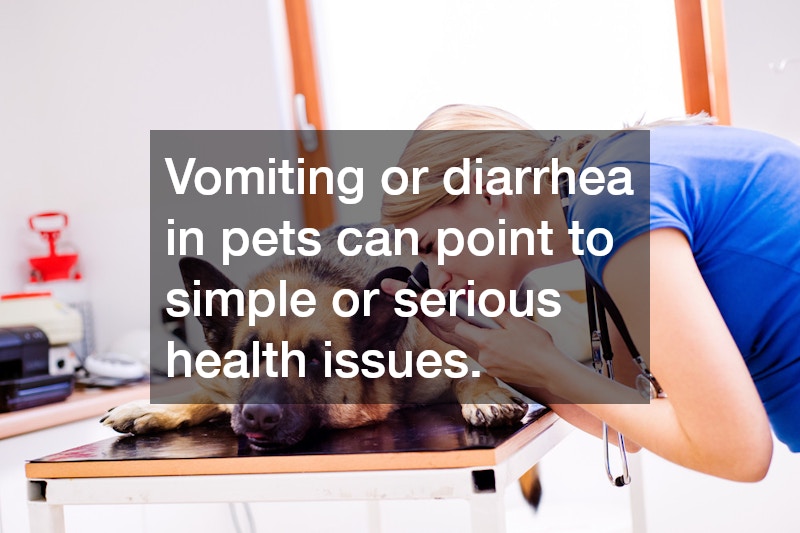
Vomiting or diarrhea in pets can point to simple or serious health issues. While occasional episodes might not be alarming, persistent vomiting and diarrhea are cause for concern. This symptom can lead to severe dehydration, which is particularly threatening to pets’ health. Signs of dehydration include lethargy, dry gums, and a loss of elasticity in the skin. In such situations, the use of emergency animal services is crucial to address potential underlying issues like poisoning, gastrointestinal obstructions, or infections.
Monitoring the frequency and appearance of the vomit or diarrhea can offer insights into the severity of the situation. When accompanied by blood or an off-putting odor, the condition requires immediate veterinary attention. Blood in vomit or in the stool is indicative of internal bleeding or tearing along the gastrointestinal tract. These signs reveal a potentially dangerous condition that necessitates urgent medical evaluation. Seeking emergency care promptly can aid in averting serious complications.
In cases of severe gastrointestinal distress, pets may show additional symptoms such as abdominal pain, bloating, or loss of appetite. An elevated level of concern is warranted if these symptoms emerge alongside vomiting or diarrhea. The plan of action should involve promptly contacting and visiting an emergency vet to evaluate and address these symptoms. Early intervention gives your pet the best chance to recover swiftly without long-term health impacts. Through vigilance and timely care, your pet’s health can be maintained more effectively.
Injuries or Trauma
Next, physical injuries in pets should be closely monitored as some can be quite deceptive. Pets are naturally curious and adventurous, which can sometimes lead to accidents resulting in injury. Even if external injuries appear minor, there can still be internal damage that presents grave risks. Broken bones, severe lacerations, or uncontrolled bleeding all necessitate immediate professional veterinary care. A quick response to such injuries using emergency animal services can make a difference in recovery outcomes.
Signs of trauma might not always be visible immediately, which is why symptoms like limping and whining should be taken seriously. Often, pets might react differently to injuries compared to humans; they might hide their pain or exhibit unusual behavior. Some may become aggressive, while others might retreat and isolate themselves. Regardless of the behavior exhibited, any recent accident warrants a thorough check-up by a veterinarian. Getting prompt medical help ensures that potential injuries and internal damages are properly diagnosed and treated.
Furthermore, head injuries in pets pose significant health risks and should be managed with extreme caution. Swelling, dizziness, or bleeding are indicative of a need for urgent action. Head trauma can lead to complications like brain injury or severe infections if not addressed immediately. Therefore, it is imperative for pet owners to stay observant and proactively seek emergency veterinary assistance when encountering such signs. Recognizing the severity of an injury and using decisive action can dramatically improve a pet’s survival and recovery chances.
Behavioral Changes
Dramatic shifts in behavior can signify underlying health issues that are not immediately visible. If your pet is suddenly withdrawn, excessively sleepy, or noticeably more aggressive, these behavior changes can be symptomatic of pain or illness. It’s important for pet owners to monitor these fluctuations as they might point towards ailments that require emergency intervention. Behavioral changes could be related to metabolic conditions, neurological issues, or even infections. The timely involvement of emergency animal services can catch underlying conditions early enough for effective treatment.
Other behavioral signs that necessitate attention include incessant pacing, restlessness, or a significant decrease in engagement with family members. These symptoms can indicate that your pet is experiencing discomfort or is in distress. Veterinary professionals can assess these behaviors with their trained expertise, providing an accurate diagnosis and plan of care. Treating these changes as trivial might result in a missed opportunity to address conditions that may worsen over time. Regular observation and swift responses can ensure your pet receives needed interventions.
Consistent observation helps in discerning patterns and changes in your pet, allowing for early detection of potential health issues. Loss of balance, coordination problems, or seizures are further behavior-related signs that allude to serious health risks. These symptoms often suggest neurological or musculoskeletal difficulties and require immediate veterinary consultation. Addressing them promptly with emergency animal services can help prevent further health deterioration. Understanding these behavioral cues is central to ensuring long-term health and wellbeing for your pet.