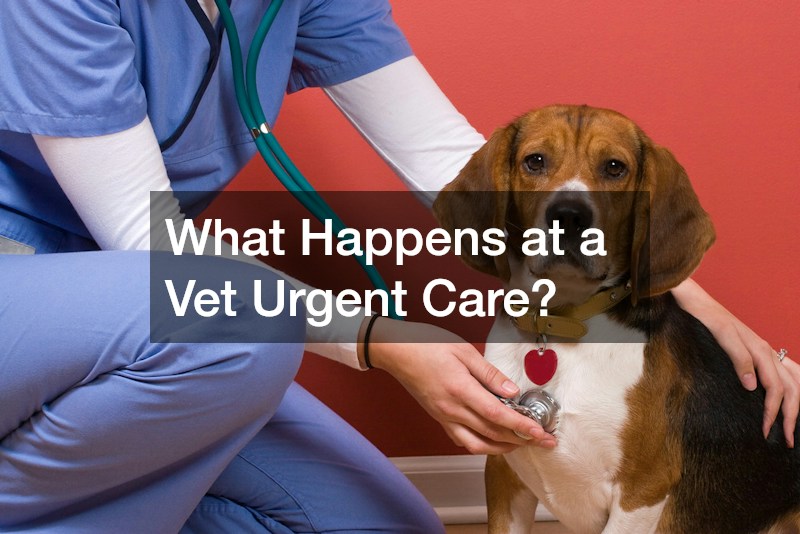

When your pet suddenly becomes sick or injured, waiting days for a regular appointment is not always an option. Veterinary urgent care fills the gap between your primary veterinarian and a full emergency hospital. These clinics treat problems that need prompt attention but are not immediately life-threatening, such as minor wounds, vomiting, ear infections, or limping. A typical visit includes check-in, triage to assess how serious the situation is, a physical exam, diagnostic testing if needed, treatment, and clear instructions for care at home. Many clinics also share records with your regular vet for follow-up.
Knowing what to expect can ease your stress and help you act quickly. Visiting an urgent care veterinarian gives your pet timely care without the long waits often associated with emergency hospitals.
How Is Urgent Care Different From an Emergency Hospital?
It helps to understand where urgent care fits among your options. Your primary veterinarian handles wellness exams, vaccinations, and ongoing health management, usually by appointment. Emergency animal hospitals are equipped for critical, life-threatening situations like major trauma, difficulty breathing, severe bleeding, or suspected poisoning, and many are open around the clock. Urgent care clinics sit in between. They treat conditions that should be seen the same day but do not require intensive care or emergency surgery. Because they focus on less critical cases, urgent care visits often involve shorter waits and lower costs than an emergency hospital. If your pet’s condition is severe, however, go straight to an emergency facility.
Common Reasons Pets Visit Urgent Care
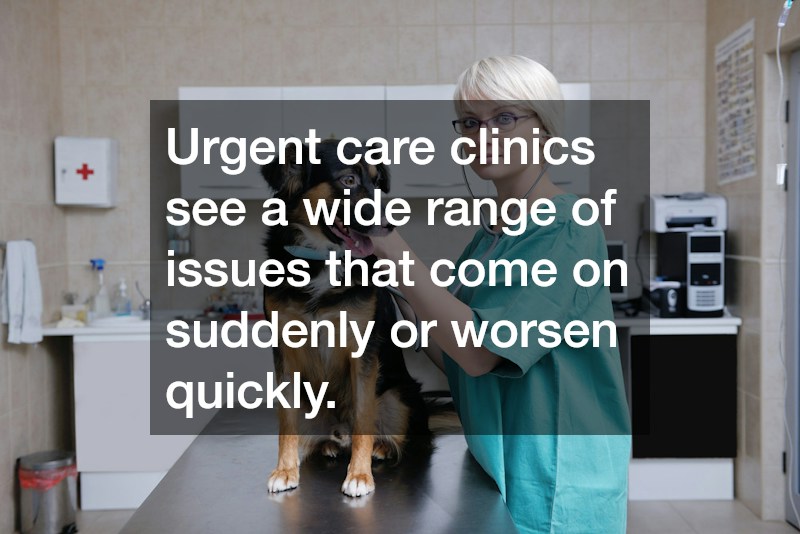
Urgent care clinics see a wide range of issues that come on suddenly or worsen quickly. Vomiting and diarrhea are among the most frequent concerns, especially when they last more than a day or come with lethargy. Minor cuts, bite wounds, and torn nails also bring many pets through the door. Other common reasons include ear infections, eye irritation, skin rashes, hot spots, mild allergic reactions, coughing, urinary problems, and limping after rough play. Pets that stop eating or seem unusually tired may also benefit from a same-day visit. If you are unsure whether a situation calls for urgent or emergency care, calling the clinic ahead of time can help you decide where to go.
Check-In and Triage
When you arrive, you will typically check in at the front desk and provide basic information about your pet, including age, medical history, current medications, and the symptoms you have noticed. A veterinary technician or nurse will then perform triage, which is a quick assessment of your pet’s condition. They may check vital signs such as temperature, heart rate, and breathing. Triage allows the team to prioritize patients based on medical need rather than arrival time. This means a pet having trouble breathing will be seen before one with a mild ear infection. If your pet’s condition is more serious than urgent care can handle, the staff may stabilize them and recommend transferring to an emergency hospital.
The Physical Exam
Once it is your pet’s turn, the veterinarian will perform a thorough physical examination. They will ask detailed questions about when symptoms started, any changes in eating, drinking, or behavior, and whether your pet may have eaten something unusual. The exam usually includes checking the eyes, ears, mouth, skin, heart, lungs, and abdomen, along with any specific areas of concern, such as an injured leg or a wound. This hands-on evaluation helps the vet narrow down possible causes and decide whether further testing is needed. Be as detailed as possible when answering questions, since small observations can offer valuable clues.
Diagnostic Testing
Depending on the findings, the veterinarian may recommend diagnostic tests to better understand what is going on. Bloodwork can reveal infections, organ function problems, or dehydration. X-rays are commonly used to check for fractures, swallowed objects, or problems in the chest and abdomen. Some clinics also offer ultrasound imaging. Urine tests can help identify urinary tract infections or kidney issues, while skin scrapings or ear swabs may be used for skin and ear conditions. Before any testing begins, the veterinary team should explain what they recommend, why it may help, and the estimated cost. You can ask questions and make decisions that fit your pet’s needs and your budget.
Treatment and Care
After reaching a diagnosis, the veterinarian will outline a treatment plan. For many urgent care cases, treatment can be provided during the same visit. This might include cleaning and bandaging a wound, administering fluids for dehydration, giving anti-nausea medication, prescribing antibiotics, or providing pain relief. Some pets may need minor procedures, such as stitches or sedation for a thorough examination. If your pet needs more advanced care, such as overnight monitoring or surgery, the clinic may refer you to an emergency hospital or your regular veterinarian. The goal is to stabilize your pet, relieve discomfort, and address the problem as efficiently as possible.
Discharge and Follow-Up
Before you leave, the veterinary team will review home care instructions with you. This often includes how to give medications, what to feed your pet, how to care for wounds, and which symptoms should prompt a return visit. Make sure you understand each step and ask questions if anything is unclear. Many urgent care clinics send visit records and test results to your primary veterinarian so they can continue monitoring your pet’s recovery. Scheduling a follow-up appointment with your regular vet may also be recommended, especially for ongoing conditions or recheck exams.
How to Prepare for Your Visit
A little preparation can make an urgent care visit smoother. Bring your pet’s medical records if possible, along with a list of current medications and supplements. If your pet may have eaten something harmful, bring the packaging or a sample. Keep dogs on a leash and cats in a secure carrier to reduce stress and keep everyone safe. Calling ahead can also help the clinic prepare for your arrival and confirm they can treat your pet’s condition. Staying calm helps your pet feel more secure during the visit.
Getting Your Pet the Care They Need
Veterinary urgent care offers a convenient, timely option when your pet needs attention but is not facing a life-threatening emergency. From check-in and triage to examination, diagnostics, treatment, and follow-up, each step is designed to address problems quickly and effectively. Knowing what to expect can help you stay calm and make confident decisions during a stressful moment. When your pet suddenly needs care, turning to a trusted urgent care veterinarian can provide peace of mind and help your companion get back to feeling their best.