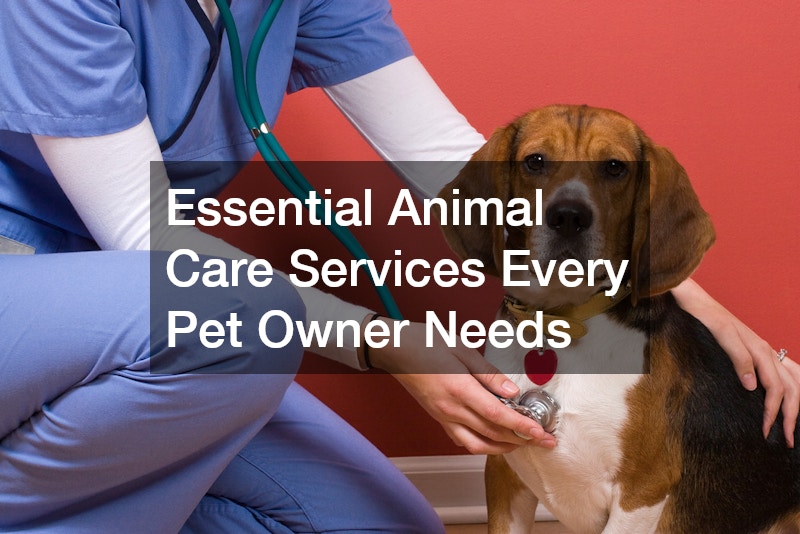

Caring for a pet goes far beyond providing food, water, and affection. Just like humans, pets require consistent health monitoring, preventive care, and access to the right professionals to live long, happy lives. Whether you’re a first-time pet owner or have years of experience, understanding the full spectrum of care available can make a significant difference in your pet’s well-being.
From routine checkups to emergency preparedness, a well-rounded approach ensures that you’re not caught off guard when your pet needs attention. This guide walks you through the most important types of care every pet owner should prioritize-and how to make smart, proactive decisions along the way.
Build a Preventive Care Routine Early
Establishing a preventive care routine is one of the most important steps you can take as a pet owner, especially in the early stages of your pet’s life. Many serious health conditions develop gradually and without obvious symptoms, making early detection critical to long-term well-being. By prioritizing consistent checkups and proactive care, you reduce the risk of expensive treatments later on. Preventive veterinary services create a structured approach to maintaining your pet’s health through routine exams, screenings, and lifestyle guidance. These visits also allow professionals to establish a baseline for your pet, making it easier to detect changes over time. In addition, maintaining proper schedules for pet vaccines ensures protection against dangerous and highly contagious diseases. Building these habits early creates a strong health foundation that supports your pet throughout every stage of life.
Actionable tips for building a routine:
- Schedule annual or biannual wellness exams, depending on your pet’s age
- Keep a digital or physical record of all vaccinations
- Set calendar reminders for booster shots and parasite prevention
- Ask about lifestyle-specific recommendations (indoor vs. outdoor pets)
- Start dental care early to avoid long-term complications
Consistency in preventive care not only keeps your pet healthier but also helps you stay organized and informed.
Know When and Where to Seek Immediate Help
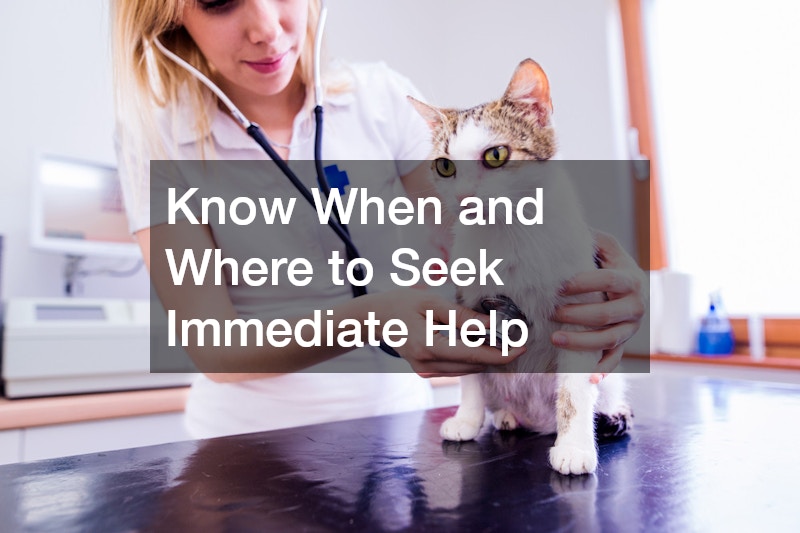
Even with the best preventive efforts, unexpected health issues can arise, and knowing how to respond quickly is essential. Pets often hide signs of pain or illness, which means that by the time symptoms appear, the condition may already be serious. Understanding the difference between situations that require urgent attention and those that can wait is critical. An emergency vet clinic is equipped to handle life-threatening situations such as trauma, poisoning, or severe respiratory distress, often operating around the clock. In contrast, pet urgent care services are designed for issues that need prompt attention but are not immediately life-threatening, such as infections or minor injuries. Knowing which type of care to seek can save valuable time and potentially your pet’s life.
Signs your pet needs immediate care:
- Difficulty breathing or choking
- Uncontrolled bleeding
- Seizures or collapse
- Persistent vomiting or diarrhea
- Signs of severe pain or distress
Preparation plays a huge role in how effectively you can respond during an emergency. Keeping important contact information easily accessible and knowing your nearest care locations can significantly reduce response time. Practicing what to do in advance ensures you remain calm and focused when it matters most.
Choose the Right Primary Care Provider
Selecting the right care provider is one of the most important decisions you’ll make for your pet’s long-term health. A strong relationship with experienced veterinarians ensures that your pet receives consistent and personalized care over time. The environment of a vet office should feel welcoming, organized, and supportive, both for you and your pet. During your first visit, pay attention to how the staff communicates and whether they take the time to answer your questions thoroughly. A good provider will not only treat your pet but also educate you on how to maintain their health at home. Trust and transparency are essential, as they help build confidence in the care your pet is receiving.
What to look for in a provider:
- Credentials, experience, and areas of specialization
- Clean and well-maintained facilities
- Positive reviews and recommendations
- Availability for appointments and follow-ups
- Clear pricing and treatment explanations
Choosing the right provider can have a lasting impact on your pet’s health journey. When you feel comfortable asking questions and expressing concerns, you’re more likely to stay engaged in your pet’s care.

Understand the Role of Full-Service Facilities
There are times when your pet may require more advanced care than a standard clinic can provide, and understanding these situations is essential. A pet hospital or animal hospital is designed to handle more complex medical needs, including surgeries, specialized treatments, and advanced diagnostics. These facilities often have access to cutting-edge equipment and a team of specialists who can address a wide range of conditions. When your primary provider refers you to one of these locations, it is usually because your pet needs a higher level of care. Knowing what to expect can make the process less overwhelming and help you feel more confident in the decisions being made. These facilities play a crucial role in ensuring your pet receives comprehensive treatment when it matters most.
Benefits of full-service care:
- Access to a team of specialists
- Comprehensive diagnostic capabilities
- Coordinated treatment plans
- Higher level of monitoring during recovery
Advanced care facilities provide peace of mind during challenging situations. They offer resources and expertise that go beyond routine care, ensuring your pet gets the attention they need. Understanding when to seek this level of care helps you act quickly and appropriately. Being informed allows you to navigate complex medical situations with greater confidence.
Stay Consistent With Routine Health Monitoring
Maintaining your pet’s health requires more than occasional visits; it involves ongoing observation and consistent care. Professional animal care services provide structured monitoring that helps detect potential issues early. Regular visits for veterinary services allow for thorough evaluations, including weight checks, dental exams, and routine screenings. These appointments create opportunities to discuss any concerns and adjust care plans as needed. At home, your role is just as important, as daily observation can reveal subtle changes that might otherwise go unnoticed. Combining professional oversight with attentive home care creates a comprehensive health management system. This balanced approach ensures your pet stays on track and receives timely care when needed.
Simple at-home checks:
- Observe changes in appetite or water intake
- Monitor energy levels and activity
- Check for lumps, skin issues, or unusual odors
- Watch for changes in bathroom habits
Consistency builds a clearer picture of your pet’s overall health. When you monitor regularly, it becomes easier to notice even small changes. Early detection often leads to simpler and more effective treatments.

Plan Ahead for Travel and Extended Absences
Leaving your pet behind during travel can be stressful, but proper planning can make the experience smooth and worry-free. Choosing a reliable pet boarding service ensures your pet is cared for in a safe and structured environment. Many facilities also offer additional animal care services, such as grooming or medical supervision, which can be especially helpful for pets with specific needs. Taking the time to research and visit potential facilities allows you to make an informed decision. It’s important to find a place where your pet will feel comfortable and receive proper attention. Preparation helps reduce anxiety for both you and your pet. Planning ahead ensures your pet remains happy and healthy while you’re away.
What to look for in a boarding facility:
- Clean, secure, and well-ventilated spaces
- Trained and attentive staff
- Clear emergency protocols
- Opportunities for exercise and socialization
Preparing your pet for a stay away from home is just as important as choosing the right facility. Familiar items like toys or bedding can provide comfort in a new environment. Clear communication with staff ensures your pet’s routine is maintained.
Recognize Early Warning Signs of Health Issues
Pets rely on their owners to notice when something isn’t right, making awareness a critical part of responsible care. Many health issues begin with subtle symptoms that are easy to overlook without careful observation. Veterinarians often stress that early detection significantly improves the chances of successful treatment. Changes in behavior, appetite, or energy levels can all indicate underlying problems. When these signs appear, seeking pet urgent care services may be necessary to prevent the condition from worsening. Being proactive allows you to address concerns before they become serious. Understanding what to look for empowers you to take timely action.
Common warning signs to watch for:
- Sudden weight loss or gain
- Lethargy or decreased activity
- Changes in eating or drinking habits
- Persistent coughing or sneezing
- Unusual aggression or withdrawal
Responding quickly to warning signs can make a significant difference in outcomes. Keeping track of symptoms helps professionals make accurate diagnoses. Avoid delaying care when something seems off, even if the symptoms appear minor.
Prepare Financially for Expected and Unexpected Care
Caring for a pet includes financial responsibility, and planning ahead can help you manage costs effectively. Routine visits to a pet hospital and unexpected trips to an emergency vet clinic can add up quickly, especially during serious situations. Understanding the potential expenses involved allows you to prepare without feeling overwhelmed. Pet insurance, savings funds, and wellness plans are all useful tools for managing costs. Being financially prepared ensures that you can make decisions based on your pet’s needs rather than limitations. Planning ahead reduces stress and allows you to focus on your pet’s recovery. Financial readiness is an essential part of responsible pet ownership.
Ways to prepare financially:
- Invest in pet insurance for major expenses
- Set aside a monthly savings fund for care
- Ask about wellness plans or bundled services
- Understand typical costs for common procedures
Taking control of financial planning helps you feel more confident in your ability to provide care. It also prevents delays in treatment due to cost concerns. When you’re prepared, you can act quickly and decisively in emergencies.

Create a Comfortable and Safe Home Care Environment
Your home environment plays a significant role in your pet’s overall health and recovery. After visiting a vet office, following care instructions carefully ensures your pet heals properly and avoids complications. Maintaining cleanliness and organization in your pet’s living space reduces the risk of illness. Keeping up with pet vaccines also contributes to a safer home by minimizing exposure to preventable diseases. Creating a comfortable space allows your pet to relax and recover more effectively. Small adjustments can have a big impact on your pet’s well-being. A safe and supportive environment complements professional care.
Tips for a healthy home setup:
- Provide a quiet space for rest and recovery
- Keep food and water areas clean
- Use pet-safe cleaning products
- Store medications securely
Ongoing care at home requires attention to detail and consistency. Monitoring your pet after treatments helps you catch any complications early. Maintaining a clean and organized environment supports overall health. These efforts ensure your pet remains comfortable and protected between visits.
Coordinate Specialized Care as Your Pet Ages
As pets age, their needs evolve, requiring adjustments to their care routines and medical attention. Older pets may need more frequent visits to an animal hospital for specialized treatments and monitoring. Conditions such as arthritis, heart disease, or diabetes become more common with age and require careful management. Planning ahead ensures your pet receives the support they need during this stage of life. Even when using a pet boarding service, older pets may require additional accommodations and supervision. Understanding these changes helps you provide better care as your pet grows older.
How to support aging pets:
- Schedule more frequent health evaluations
- Adjust diet and exercise to match their needs
- Provide orthopedic bedding for comfort
- Monitor for cognitive or mobility changes
Long-term planning is essential for maintaining your pet’s quality of life. Open communication with professionals helps you make informed decisions about treatment options. Small adjustments can greatly improve comfort and mobility. With the right approach, you can help your pet age with dignity and ease.
Supporting Your Pet’s Lifelong Health and Happiness
Providing comprehensive care for your pet requires attention, planning, and a willingness to stay informed. By focusing on prevention, recognizing early warning signs, and preparing for both routine and unexpected needs, you create a strong foundation for your pet’s health and happiness.
Every decision you make, from choosing the right provider to maintaining a safe home, contributes to your pet’s quality of life. Staying consistent with care routines and being proactive about potential issues allows you to address concerns before they escalate.
With the right approach and commitment, you can ensure your companion stays by your side for many happy and healthy years.